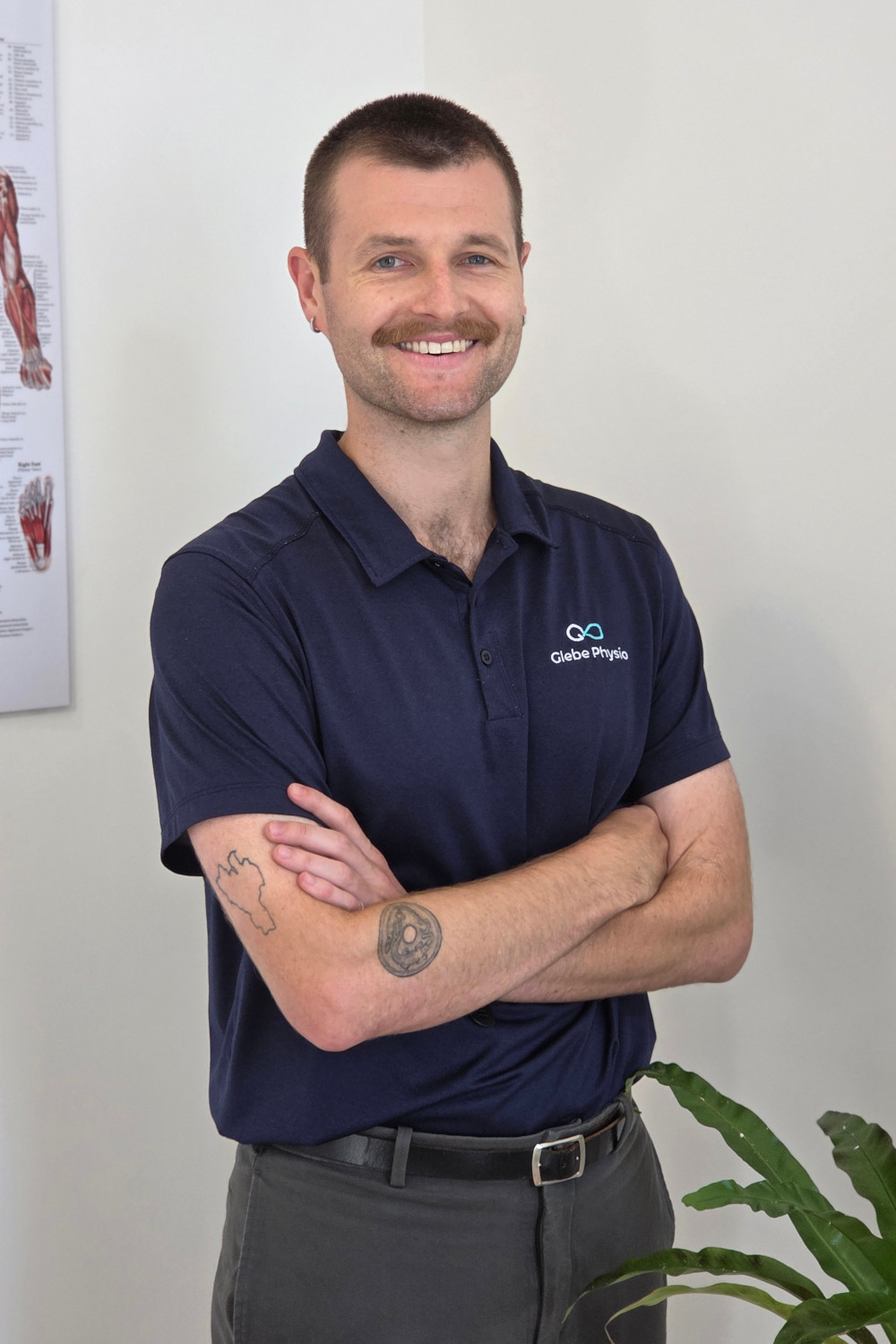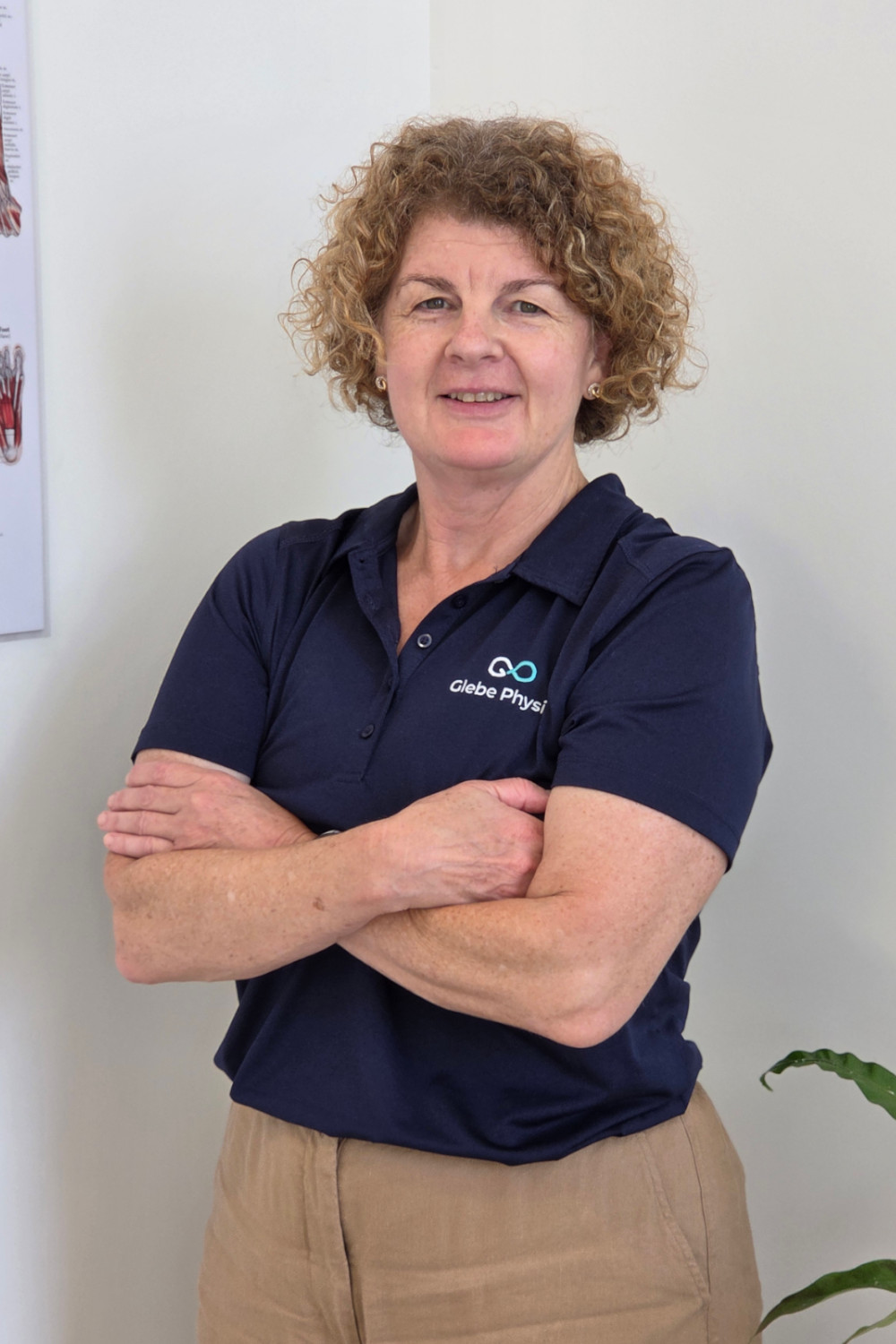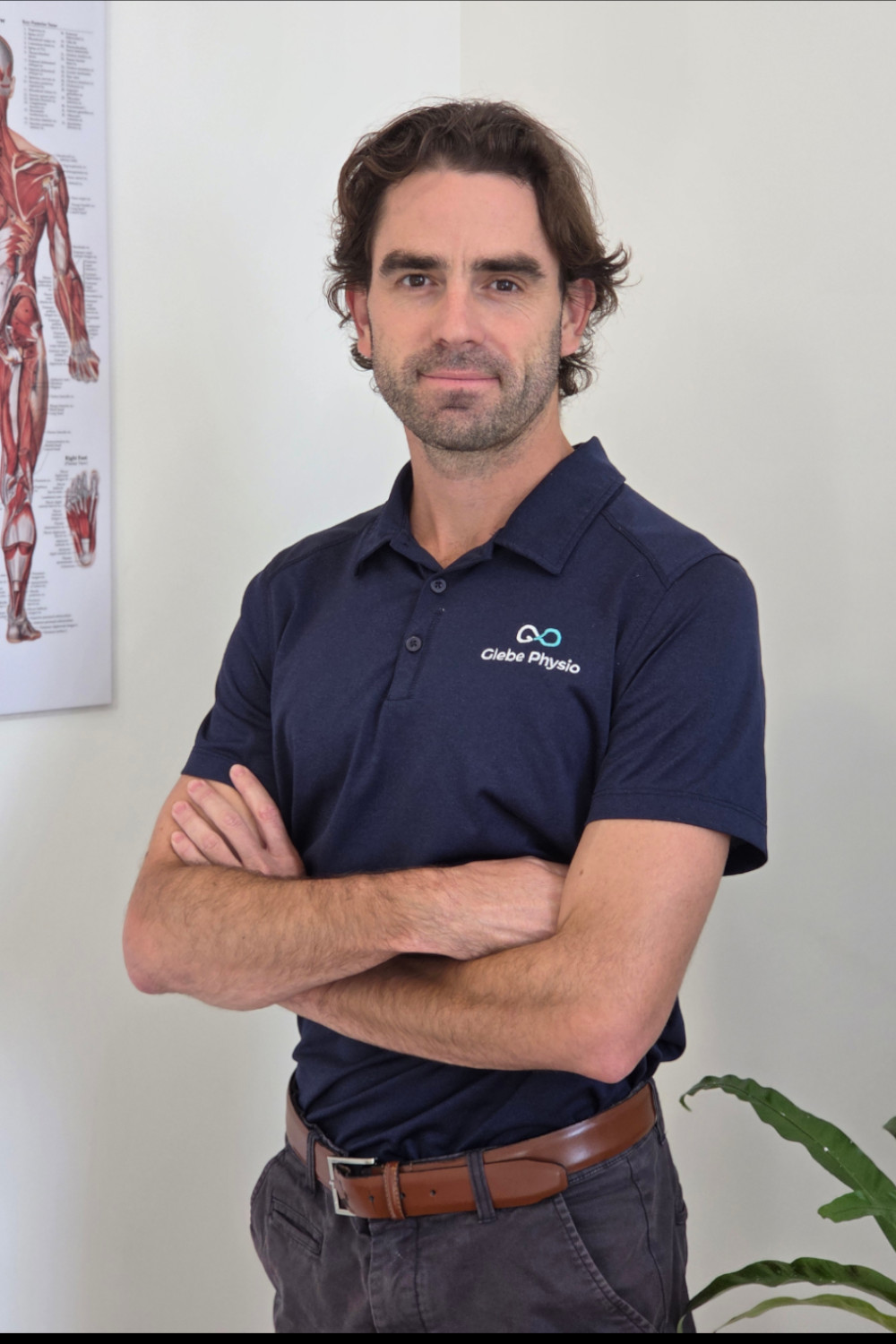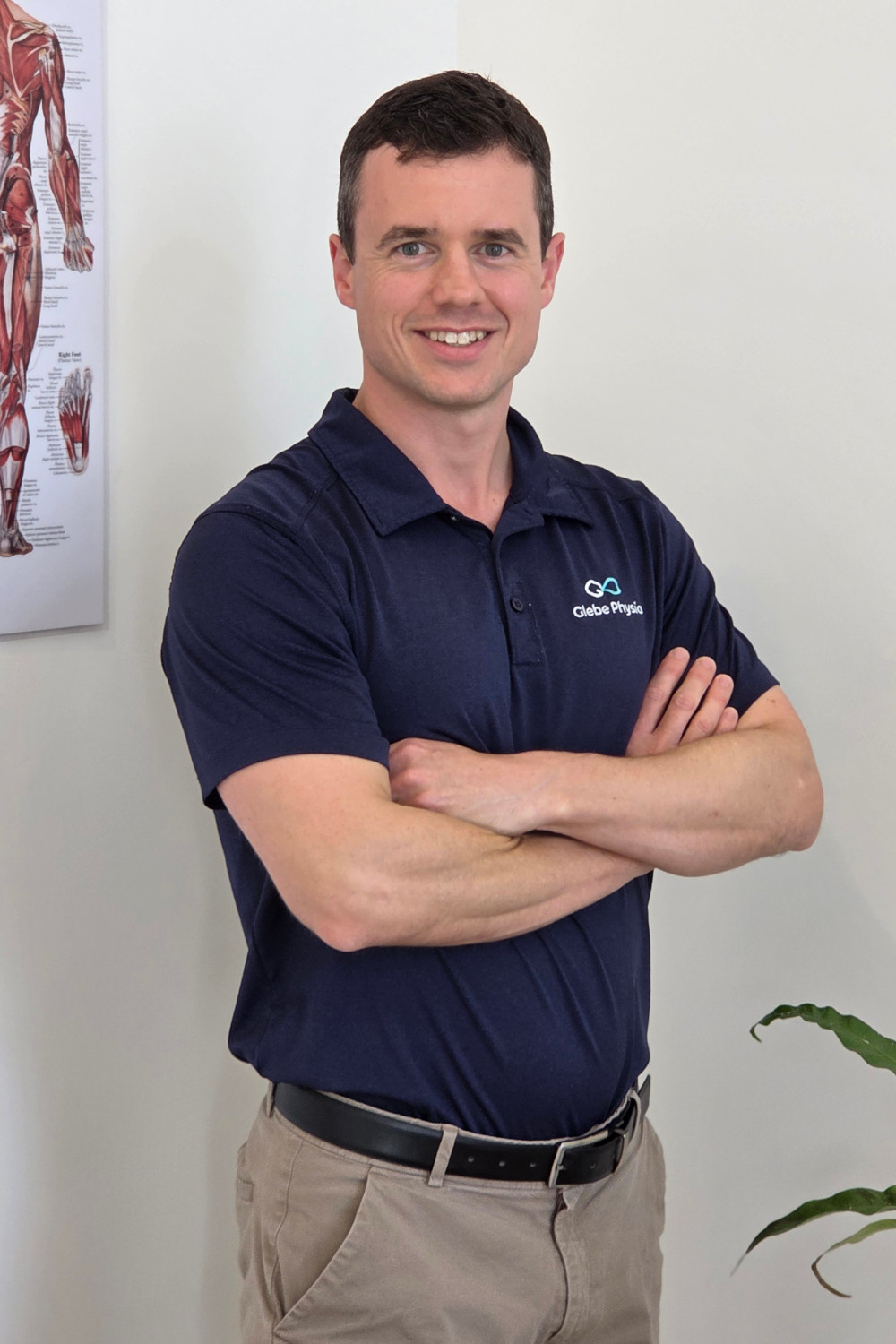
Written by Andrea Conomos
Accredited Exercise Physiologist
Bachelor of Applied Science (Exercise Physiology), The University of Sydney
What are our classes?
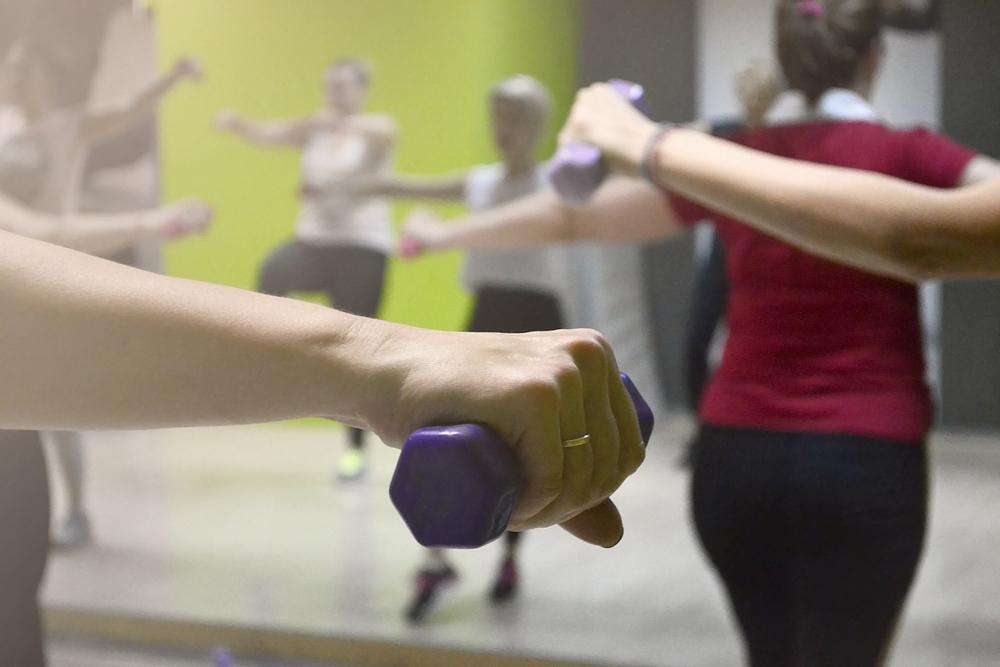
Our exercise classes are small group sessions run by an Exercise Physiologist or Physiotherapist. They are designed for people who want to get stronger, move better and feel more confident in their bodies, with the reassurance of having a qualified health professional in the room.
Most of our classes are circuit based. You move through a series of stations, with exercises built around functional movement patterns such as squatting, lifting, pushing, pulling and stepping. These are the movements you use every day, whether you are carrying shopping, getting up off the floor, playing with the kids or heading out for a run.
The aim is simple: to build general strength that carries over into real life, in an environment that is supportive, social and fun.
Who they are for
- People who have finished their rehab and want to keep building strength
- Anyone managing a long term condition who wants supervised, safe exercise
- Older adults wanting to improve balance, strength and confidence
- People who are new to the gym and not sure where to start
- Anyone who finds it easier to stay motivated when exercising with others
You do not need to be fit to join. Every class is adjusted to suit the people in it.
The part people underestimate
Many people start an exercise program on their own and find it hard to keep going, or are unsure whether they are doing the exercises correctly. Having someone qualified watching, correcting and progressing your program makes a real difference.
Supervised training programs have been shown to produce greater improvements in strength and balance than unsupervised programs in older adults (Lacroix et al., 2017). Add in a regular time slot and a group of familiar faces, and it becomes much easier to turn exercise into a habit.
That sense of community is one of the things our class members value most. People come for the exercise and stay for the company.
Do I need gym experience?
Not at all. Everyone starts with an initial assessment, which is essential before joining a class. This lets us understand your health history, any injuries or conditions, and your goals, so we can make sure the class is right for you.
If you are new to the gym, we will teach you the common movement patterns and how to exercise safely before you start. By the time you walk into your first class, you will know what you are doing and why.
What to expect in a class
Classes run for 45 to 60 minutes and are kept to small groups, so everyone gets attention from the clinician running the session.
Circuit classes. You rotate through stations with a mix of strength, balance and conditioning exercises. We build plenty of variety into the program so sessions stay interesting, and exercises are modified or progressed to suit each person.
Individual program sessions. One of our weekly sessions works a little differently. Rather than following a shared circuit, each participant works through their own prescribed exercise program independently, with an Exercise Physiologist or Physiotherapist supervising, guiding and adjusting as needed. It combines the focus of a one on one program with the energy of a group, and suits people who have specific rehab or strength goals.
Why it matters. Guidelines recommend muscle strengthening activity on at least two days a week for adults of all ages (Bull et al., 2020). Our classes are an easy way to tick that box with expert support.
Do’s and don’ts
Do
- Book your initial assessment first. It is essential before starting classes and ensures your program suits you.
- Tell us about any changes. New injuries, medications or health concerns help us keep you safe.
- Come regularly. Strength builds with consistency, and a regular class time makes that easier.
- Ask questions. Our clinicians are there to help you understand what you are doing and why.
Don’t
- Don’t worry about your fitness level. Every exercise can be adjusted up or down.
- Don’t push through sharp or worrying pain. Let the clinician know so they can modify the exercise.
- Don’t compare yourself to others in the room. Everyone is working towards their own goals.
- Don’t skip the warm up. It prepares your body and helps you get the most out of the session.
How much do classes cost?
- See our current prices for single classes or a 10-pack on our fees page
- An initial consultation is required before your first class if you are new to classes or new to the clinic.
How do I book in?
Give us a call to book a class orientation/initial assessment with one of our Exercise Physiologists first, then we can book you in for our classes. Call us on 02 9168 5992.
We would love to see you here at Glebe Physio.
References
- Lacroix A, Hortobágyi T, Beurskens R, Granacher U. Effects of supervised vs. unsupervised training programs on balance and muscle strength in older adults: a systematic review and meta-analysis. Sports Medicine. 2017;47(11):2341-2361. doi:10.1007/s40279-017-0747-6
- Bull FC, Al-Ansari SS, Biddle S, et al. World Health Organization 2020 guidelines on physical activity and sedentary behaviour. British Journal of Sports Medicine. 2020;54(24):1451-1462. doi:10.1136/bjsports-2020-102955